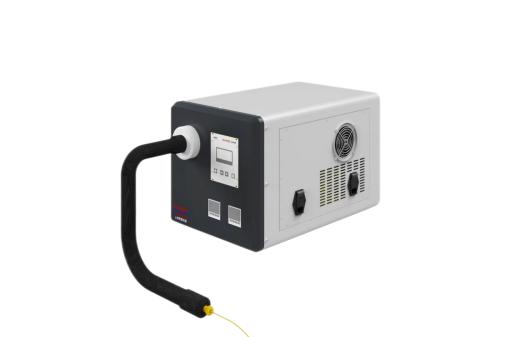


Pyridine Adsorption FTIR Accessory
Acidic sites are generally active sites on the surface of oxide catalysts. Determining the acidity of catalysts is of great significance for investigating their catalytic performance. In catalyst research and evaluation, the in-situ pyridine FTIR method is one of the most effective approaches available to characterize the nature and quantity of acid sites on solid catalysts and distinguish the types of surface acidity. Pyridine FTIR can discriminate Brønsted acid (B acid) and Lewis acid (L acid). It can also differentiate strong and weak acids by varying adsorption temperatures. For example, Brønsted acids form ionic species with pyridine, showing a characteristic band at 1540 cm⁻¹. Lewis acids form coordination bonds with pyridine, with a characteristic band at 1450 cm⁻¹. The band at 1490 cm⁻¹ corresponds to the sum of both types of acid sites. It is generally accepted that adsorption at 350 °C corresponds to strong acid sites, while the temperature for total acid measurement is around 150 °C or 200 °C.

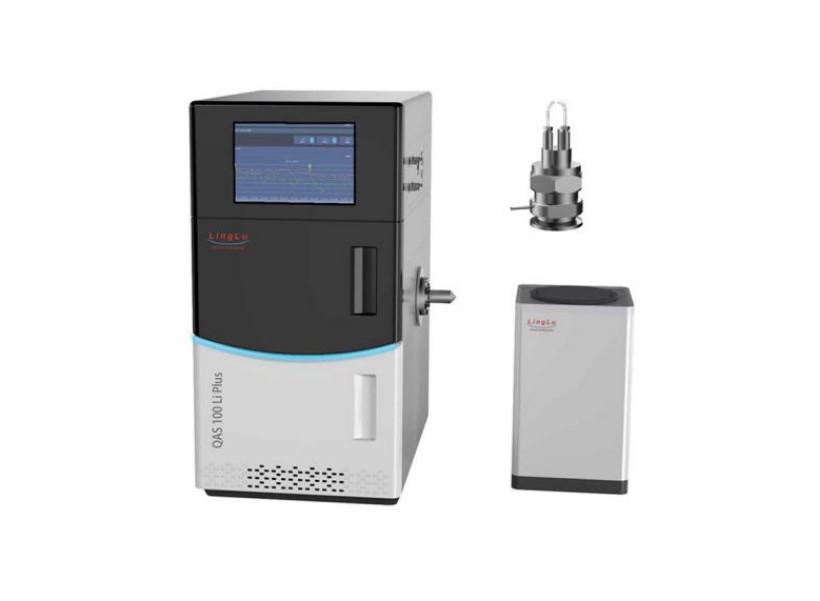
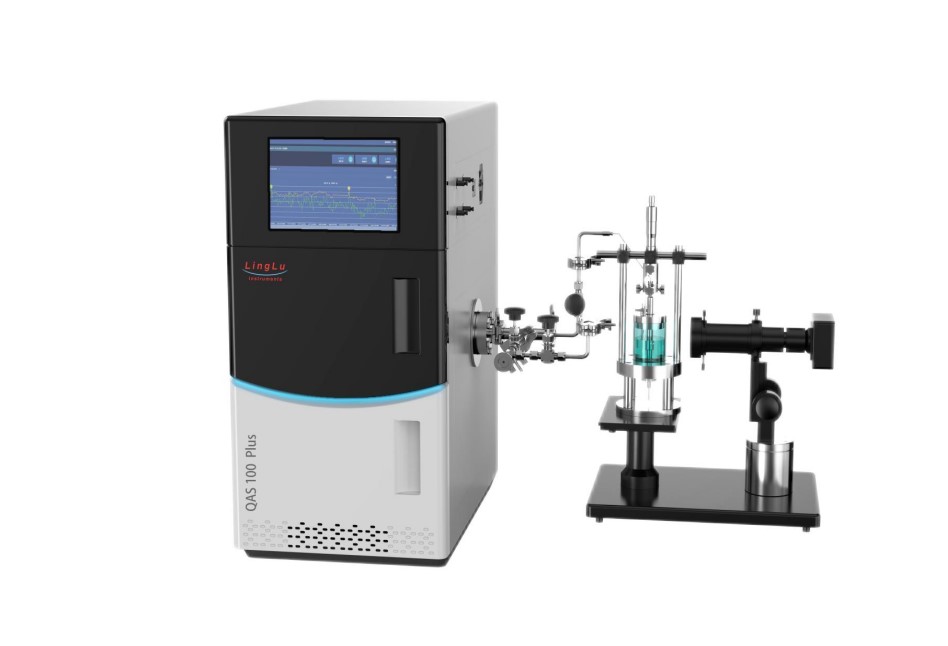
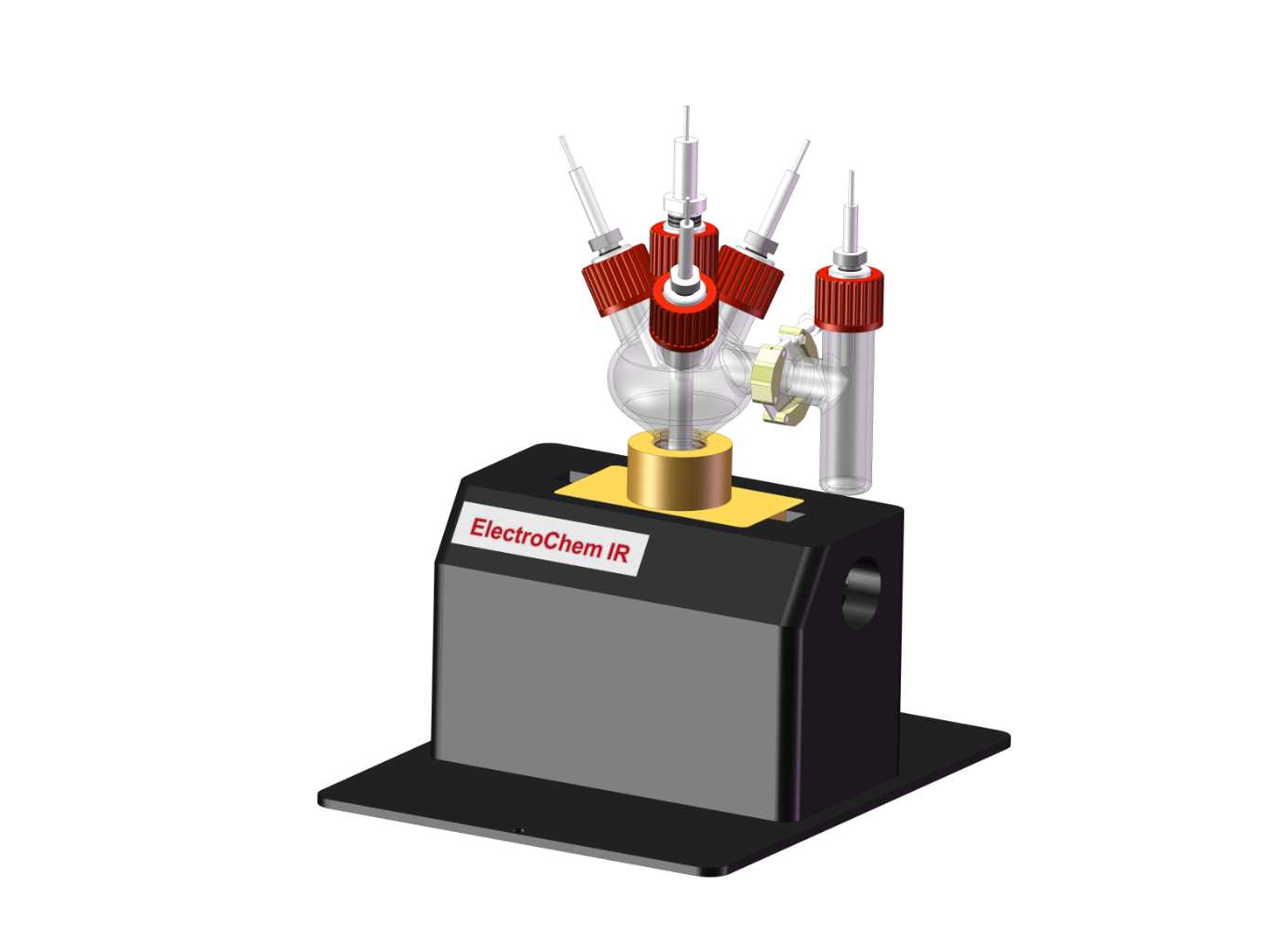
The IR-Reactor II in-situ transmission cell for FTIR uses a quartz tube liner, high-purity ceramic sample holder and stainless steel outer housing. It is suitable for pyridine adsorption experiments such as the identification of Brønsted acid and Lewis acid sites. Adsorbates including pyridine, NH₃, CO, CO₂, etc., can be used as molecular probes. It enables experiments such as acidity and basicity measurement of catalysts, adsorption kinetics study and in-situ analysis of surface reactions. It is compatible with FTIR spectrometers from manufacturers such as Nicolet and Bruker.
Main Features:
High system integration, compact structure and small footprint.
Quartz glass tube liner with excellent chemical inertness and resistance to acid and alkali corrosion.
Smooth surface for easy cleaning.
Fast heating and cooling rates.
Simple and rapid sample loading/unloading, user-friendly operation.
Turbomolecular pump plus dry vacuum pump, oil-free vacuum system.
Main Technical Parameters:
Ultimate vacuum: < 1 × 10⁻⁵ mbar
Temperature range: Ambient – 500 °C
Spectral range: 1000 – 4000 cm⁻¹